Practical information to make your stay in Warsaw and attendance at SPSYMPO 2027 smooth and comfortable. Click on any section below to expand the details.
Emergency Contacts & Healthcare
112
General Emergency (EU-wide)
999
Ambulance (Medical)
997
Police
998
Fire Brigade
- Pharmacies (Apteka): Widely available throughout Warsaw, with several 24/7 pharmacies located in the central district and near major transit hubs.
- Medical Care: European Health Insurance Card (EHIC) is accepted for state healthcare for citizens of the EU/EEA. Non-EU visitors are strongly advised to hold comprehensive travel medical insurance.
Currency & Payments
- Official Currency: Polish Złoty (PLN, symbol: zł). (1 EUR ≈ 4.30 PLN, 1 USD ≈ 3.95 PLN).
- Card & Contactless Payments: Poland has one of the most advanced cashless payment infrastructures in Europe. Credit and debit cards (Visa, Mastercard), Apple Pay, and Google Pay are accepted virtually everywhere — including small kiosks, cafes, public transit ticket machines, and taxis. Physical cash is rarely required.
- Card Terminal Tip: When paying with a foreign credit or debit card, always choose "Charge in PLN / without conversion" on the payment terminal. This ensures your home bank handles the exchange rate, avoiding high dynamic currency conversion (DCC) markups.
- Currency Exchange (Kantor): If you need to exchange physical cash, look for exchange offices marked as Kantor in the city center or major shopping centers. Avoid exchanging large amounts at airports or main railway stations due to higher margins.
- ATMs (Bankomaty): Plentiful across Warsaw (Euronet, Planet Cash, and bank-operated ATMs).
Electricity, Sockets & Voltages
The standard electrical voltage in Poland is 230 V with a frequency of 50 Hz.
- Socket Type (Type E): Polish wall sockets follow the standard European Type E format. They feature two round pin apertures and a round metallic grounding pin protruding from the socket face.
- Compatible Plugs:
- Type C (Europlug): Standard flat 2-pin ungrounded plugs (commonly used on smartphone and tablet chargers, camera batteries, and laptop power bricks) plug in directly.
- Type E and Type F hybrid (CEE 7/7): Standard European grounded plugs with a hole to accommodate the grounding pin fit securely.
- Travel Adapters: Attendees traveling from countries with different plug standards (including the UK, USA, Canada, Australia, Japan, Switzerland, or Italy) will need a Type E or standard European travel plug adapter.
- Voltage Considerations (110 V vs. 230 V): Most modern personal electronics (laptops, mobile phones, tablet chargers) are dual-voltage rated for 100–240 V, 50/60 Hz and only require a plug adapter. If you plan to bring single-voltage 110–120 V electrical appliances from North America or Japan (e.g., hair styling tools or irons), a step-down voltage converter is required.
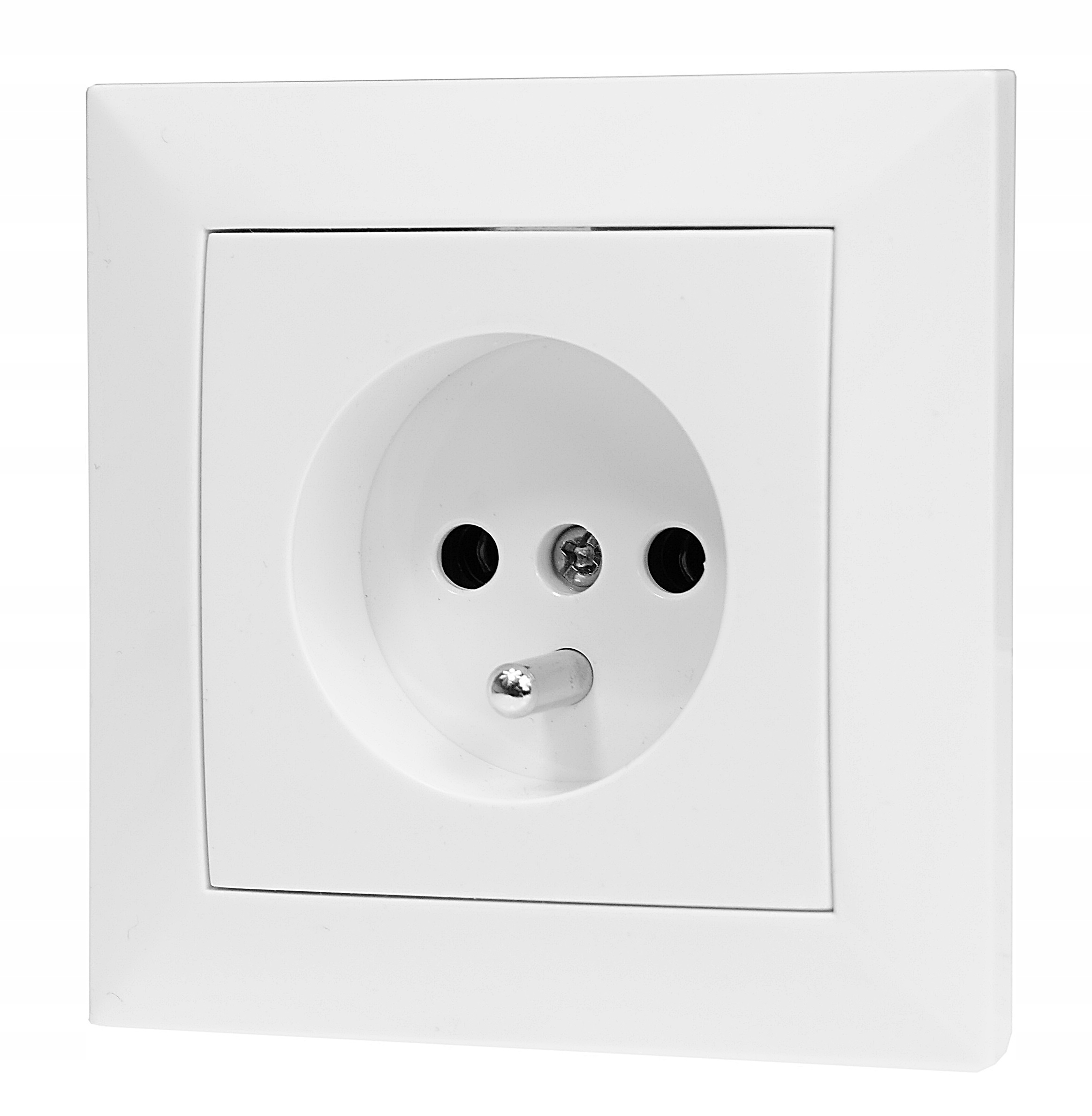 Polish socket (Type E)
Mobile & Connectivity
- EU "Roam like at Home": If you hold a SIM card from an EU/EEA country, domestic rates apply with no surcharge for calls, SMS, and data up to your plan's roaming allowance.
- Local Prepaid SIM & eSIM: Available at airport kiosks (Relay, 1Minute), convenience stores, and telecom brand stores (Orange, Play, Plus, T-Mobile). Under Polish law, all prepaid SIM cards must be registered with a passport or EU national identity card upon purchase.
- Wi-Fi Access: Complimentary high-speed Wi-Fi is available at the symposium venue, Warsaw Chopin Airport, and virtually all hotels, cafes, and restaurants.
Time Zone & Weather (Late September)
- Time Zone: Central European Summer Time (CEST), UTC+2.
- Late September Climate: Warsaw in late September typically enjoys pleasant early autumn weather. Daytime temperatures generally range from 15°C to 20°C (59°F – 68°F), dropping to around 8°C to 12°C in the evenings.
- Clothing Advice: Layered clothing, a light jacket or sweater for cooler mornings and evenings, and a compact umbrella are recommended.
Tap Water & Safety
- Tap Water Quality: Tap water in Warsaw (Warszawska kranówka) is rigorously tested, clean, and completely safe to drink directly from the tap.
- Safety in the City: Warsaw is consistently ranked among the safest capital cities in Europe. Violent crime is rare, and walking around central areas at night is generally very safe. Standard urban vigilance is advised in crowded transit stations and tourist areas.